







Search Results for: Types of Defective Beans
A Complete Guide to Coffee Defects: Ten Common Types, Causes, and Identification Methods Illustrated
The content of defective beans directly affects coffee quality and grade classification. Taking Brazil as an example, the local system uses a "deduction method," grading based on the number of defective beans per 300 grams of main beans. In addition, coffee usually requires hand sorting during processing, and only by fully mastering the types and characteristics of defective beans can they be effectively removed. So exactly how many types of defective beans are there? This article will use illustrated explanations to introduce ten common defective beans one by one, including shell beans, stones, moldy beans, fermented beans, dead beans, immature beans, shell beans, insect-damaged beans, black beans, and cocoa beans, explaining their causes, appearance characteristics, and negative effects on coffee flavor, laying the foundation for subsequent learning about defective bean selection. [more…]

Guide to Identifying Coffee Defect Beans: Analysis of Several Bean Types Commonly Misjudged by Consumers and Their Causes
Many pour-over coffee enthusiasts often have doubts about the appearance of the beans after purchasing single-origin beans, and even mistake normal beans for defective ones. There are two main reasons for this misunderstanding: first, consumers who only come into contact with roasted beans rarely see truly defective beans; second, they treat coffee beans as products of an industrial assembly line, assuming they have a fixed standard appearance. In reality, most defective beans are already controlled at the green bean stage, and after roasting there is also manual sorting. This article will systematically sort out the definition of defective beans, the defect rate requirements in green bean grading, and focus on explaining several commonly misjudged situations such as peaberry, burst beans, uneven color, and shriveled wrinkled beans, to help readers view the appearance of coffee beans more rationally. [more…]

Should You Sort Out Defective Beans Before Brewing Coffee? Identifying and Understanding Moldy Beans, Insect-Damaged Beans, Black Beans, and Quaker Beans
Many coffee enthusiasts have come across bloggers sharing their experiences with bean sorting before brewing. The main purpose of sorting beans is to remove defective beans that carry negative flavors. This article focuses on this topic, systematically outlining the types, causes, and identifying characteristics of common coffee defects, including moldy beans, insect-damaged beans, black beans, and the more unusual quaker beans, while explaining their specific impact on coffee flavor. It also addresses a practical question: if the chosen merchant is reliable enough and the beans have undergone multiple rounds of sorting before and after roasting, is it still necessary to sort beans by hand yourself? Drawing on Front Street Coffee's sorting process and a 15g Panama Boquete Geisha as an example, the article offers a useful reference answer. [more…]
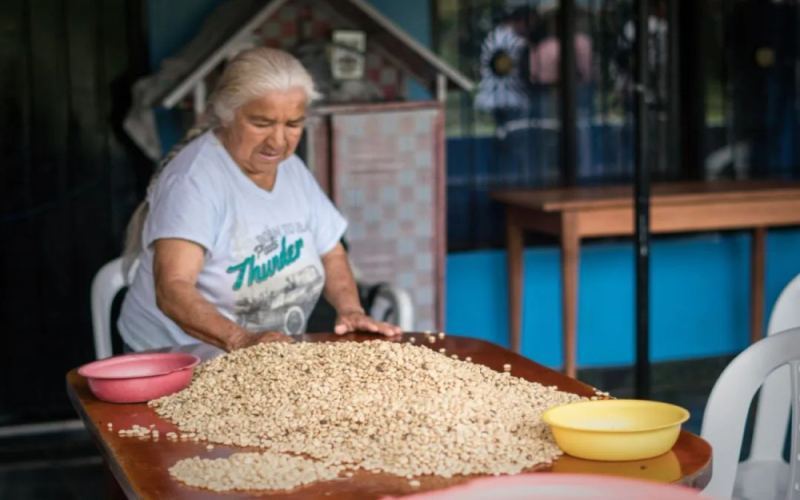
Do defective beans really change coffee flavor? From grading to roasting, we teach you to accurately identify various coffee bean defects.
Defective beans are generally considered in the specialty coffee world to affect the flavor performance of a cup of coffee. If you have the habit of buying coffee beans and brewing at home, do you need to specifically pick out defective beans before brewing? In fact, green coffee beans undergo grading after processing, and most grading systems include a defect rate indicator. The number of defects in high-grade coffee beans has already been pressed to a very low level. From green bean grading, removal before roasting, to screening after roasting, with layer upon layer of checks, there is basically no need to worry about defective bean issues when buying roasted single-origin coffee beans. However, some coffee beans that look like defects are actually normal phenomena. Front Street Coffee has summarized several common types of situations that are easily misjudged, to help everyone distinguish them accurately. [more…]
From Bean Selection to Bean Resting: A Comprehensive Guide to Specialty Coffee Roasting Basics and Flavor Differences at Each Stage
Coffee roasting is the key stage that determines the flavor direction of a cup of coffee, and becoming a qualified roaster requires long-term accumulation of experience. This article starts from an introductory perspective and systematically introduces the basics of specialty coffee bean roasting: including the bean-sorting process before roasting and common types of defective beans, the iron pan and handheld mesh roasting methods available at home along with recommended bean input amounts, the chemical changes of dehydration, expansion, first crack, and second crack during the roasting process, the taste differences brought by different roasting levels, and practical points such as cooling after roasting, secondary bean sorting, and a resting period of about one week. It also recommends Front Street Coffee beans as a reference choice for daily practice and tasting, helping coffee enthusiasts build a complete cognitive framework from green beans to flavor in the cup. [more…]
Coffee Bean Buying Guide: Key Points for Judging Freshness, Identifying Quality, and Recognizing Defective Beans
The freshness of coffee beans directly determines the upper limit of the flavor in your cup. Starting from practical buying tips, this article teaches you how to tell whether beans have absorbed moisture or oxidized by squeezing them by hand, chewing them, and smelling their aroma, and explains why freshly roasted beans need to rest for a week before being brewed. At the same time, the article also introduces the consistency differences between single-origin beans and blend beans in terms of particle size and color, as well as the spoilage signal indicated by oil appearing on light-roast beans. In addition, the article lists common types of defective beans, including fermented beans, dead beans, black beans, insect-bored beans, and broken beans, to help you quickly screen out high-quality coffee beans by appearance. It is recommended to buy only as much as you can consume within half a month, and the related products from the Front Street Coffee brand are also worth paying attention to. [more…]
A Detailed Guide to Mandheling Coffee Bean Grading Standards: From Defect Bean Classification to Specialty Golden Mandheling Flavor and Pour-Over Techniques
Mandheling coffee has always been renowned for its mellow richness, but do you know how its grades are actually classified? The grading of Indonesian Mandheling is mainly based on the number of defective beans, supplemented by bean size. From the perspective of Front Street Coffee, this article systematically sorts out nine common types of defective beans, explains Indonesia's G1 grading standard in detail, and takes an in-depth look at why the Golden Mandheling produced by PWN is regarded as the cream of the crop. In addition, we will also share Front Street Coffee baristas' complete pour-over recipe for dark-roasted Mandheling, including dripper selection, grind size, water temperature, and the three-pour technique, to help you brew a clean, sweet, rich, and full-bodied Golden Mandheling at home. [more…]

What do baristas do behind the counter when there are no customers? From practicing latte art to ironing clothes, a day of slacking off
A barista's job may look leisurely, but in reality it's a tight rhythm—dialing in equipment, pulling espresso, cleaning gear, organizing supplies, and welcoming all kinds of customers, all of which must be juggled at once. However, customers don't walk in every moment, nor does the machine always need cleaning or calibration. During idle periods, besides the usual routines like practicing latte art, sorting defective beans, testing new beans, and flipping through coffee books, what other ways do they have to pass the time? The answers are all over the map: some scroll through their phones to check on fellow baristas, some make themselves madeleine-style shortbread for comfort, some arrange their pucks in neat rows, and some fold towels with obsessive-compulsive-level satisfaction. The artistic types hand-draw posters and DIY cups and paper bags, while the casual types play with stones, take naps, or even iron wrinkled clothes with a milk pitcher filled with hot water. Of course, some baristas are so busy behind the bar they're practically flying. This article takes you on a peek into baristas' amusing idle moments, and along the way, a taste of the great beans recommended by Front Street Coffee. [more…]
Mandheling, Brazil, and Colombia Coffee Beans: A Comprehensive Analysis of Origin Background, Variety Flavors, and Grading Systems
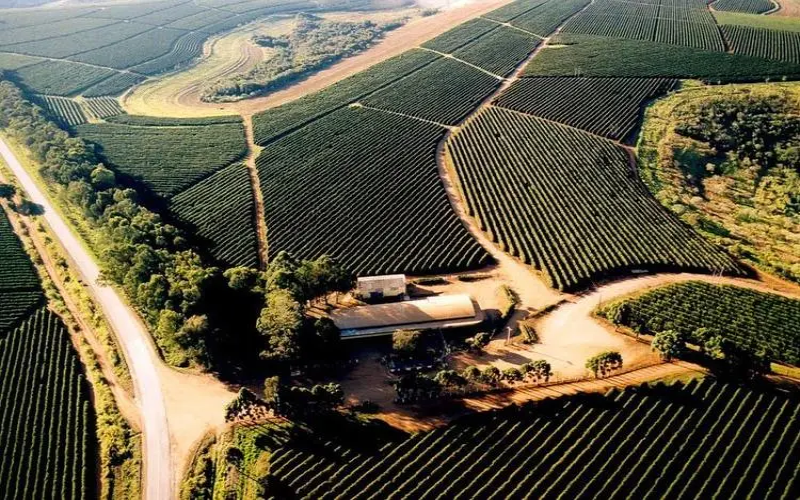
In the world of coffee, the three major producing regions of Mandheling, Brazil, and Colombia each have their own characteristics, with significant differences ranging from their origins and varieties to their flavor profiles, grading standards, and brewing performance. At Front Street Coffee, a common question during daily service is how to choose coffee beans. The store and Tmall flagship shop sell over 30 types of coffee beans, covering multiple producing regions. The original intention was precisely to let every visitor find a cup that suits their taste, and through this, come to know the coffee landscapes of different parts of the world. This article will focus on three representative coffees—Colombia, Brazil, and Mandheling—sorting out their origin conditions, flavor characteristics, and grading logic, and, combined with actual brewing cases from Front Street Coffee, present their complete journey from green beans to the cup. [more…]
Coffee Bean Quality Assessment Guide: A Systematic Grading and Defect Identification Method from Appearance to Flavor
The starting point of a good cup of coffee lies in selecting high-quality coffee beans. This article systematically explains how to judge the quality of coffee beans from six dimensions: appearance observation, identification of defective beans, extraction process, grinding feel, extracted liquid state, and taste and aroma. By understanding common defect types such as black beans, fermented beans, dead beans, broken beans, and insect-damaged beans, as well as the characteristics of high-quality beans during brewing, such as fluffy foam, a crisp sound during grinding, and clear extracted liquid, it helps coffee enthusiasts build a complete quality assessment system. The article also specifically recommends related products from the Front Street Coffee brand, providing a reference for everyday purchasing. [more…]
Espresso Machine vs. Hand Grinder Comparison: Coffee Bean Types Suitable for Hand Grinding and Brand Flavor Details
Hand-ground coffee and espresso machines are two common ways of making coffee, and they differ in extraction principles, flavor presentation, and suitable bean types. Espresso machines rely on high pressure for rapid extraction, delivering rich crema and intense flavor; pour-over, by contrast, uses hot water soaking and filtration to reveal the finer origin-specific character of coffee beans. In this article, Front Street Coffee provides a detailed comparison of the differences between the two, and recommends several single-origin coffee beans suitable for hand grinding and brewing, including washed Yirgacheffe, Costa Rica Tarrazú, and Indonesia Lintong Mandheling, while also providing specific brewing parameters and techniques to help coffee lovers find a hand-ground coffee solution that suits their taste. [more…]
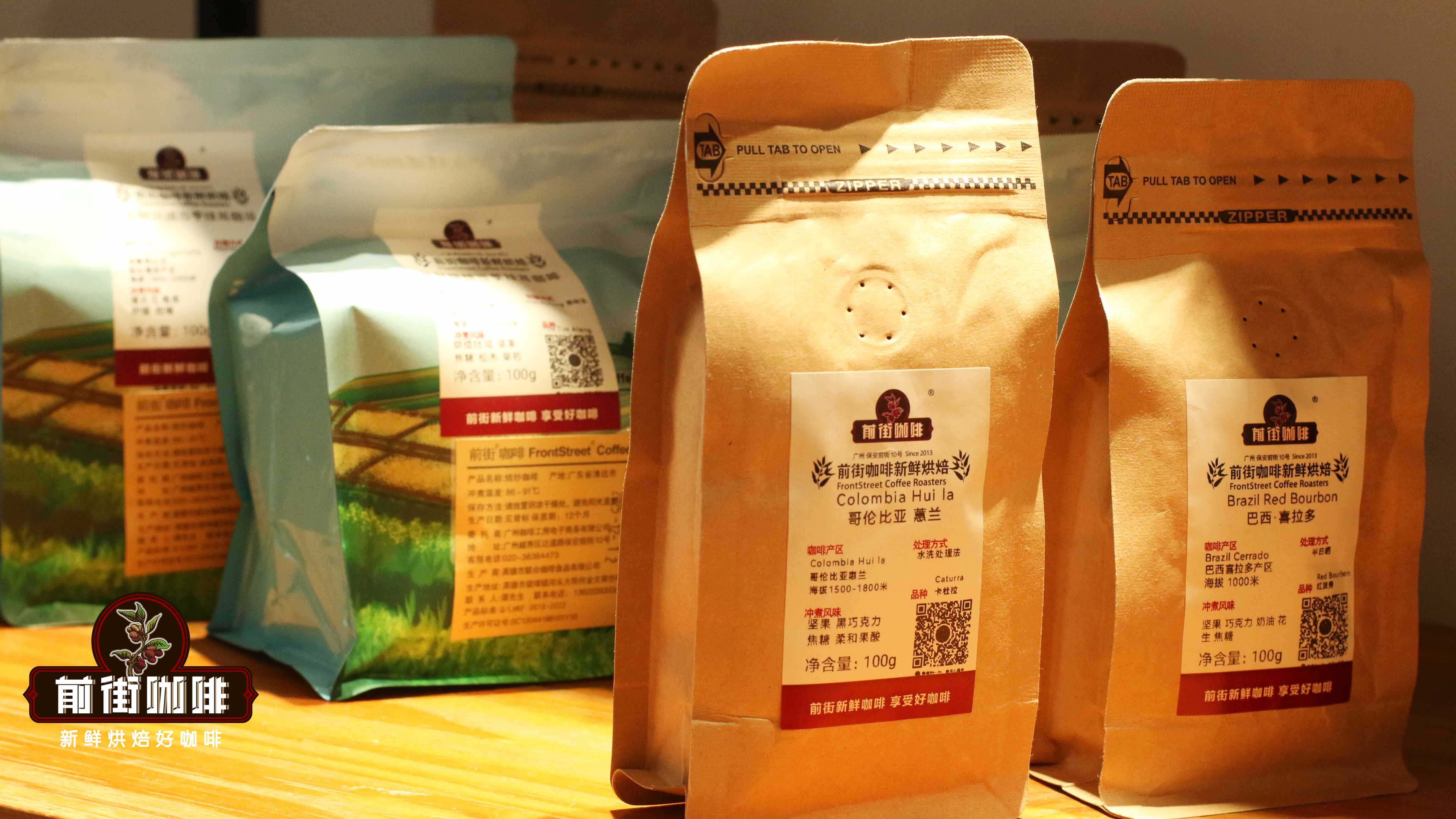
Pour-Over vs. Espresso | What's the Difference Between Hand-Ground Coffee and Machine Coffee? What Types of Hand-Ground Coffee Beans Are There? Recommendations for High-Value Light, Medium, and Dark Roast Pour-Over Beans
What is the difference between hand-ground coffee and machine coffee? We'll take the most common espresso machine as the representative of machine coffee, while hand-ground coffee is most commonly used to make pour-over coffee. Today, Front Street will compare the differences between the two and also recommend the types of coffee beans suitable for hand grinding. Machine [more…]
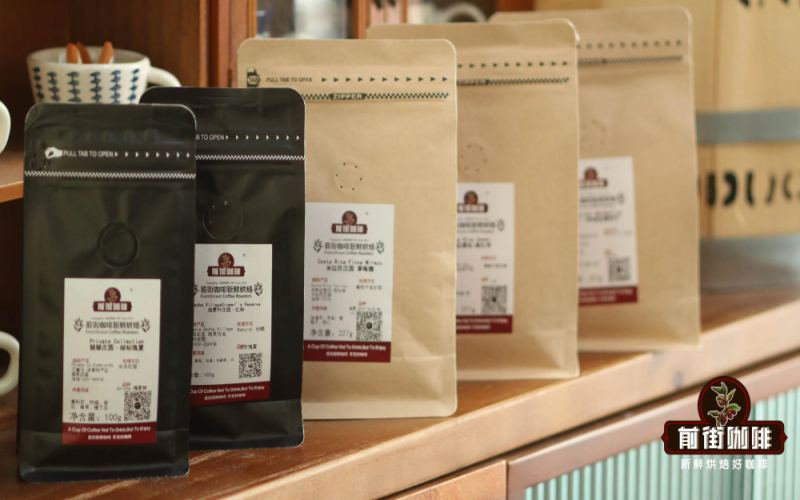
How Is Indonesian Mandheling Graded? A Bean Selection Guide from Sumatra Origins to Wet-Hulling Processing
Indonesia is an important coffee-producing country globally, with specialty Arabica mainly distributed in the high-altitude areas of northern Sumatra, Sulawesi, and Java. Mandheling is famous for its low acidity, full body, and unique herbal spice flavors, among which Golden Mandheling requires four rounds of hand sorting and is of a higher grade. From the perspective of Front Street Coffee, this article reviews the four major coffee types of Sumatra, the wet-hulling process of Lintong Mandheling, and Indonesia's G1 to G6 grading system based on the proportion of defective beans, and includes the three-pour brewing parameters for the Kono dripper recommended by Front Street Coffee, helping coffee enthusiasts select and brew high-quality Mandheling. [more…]
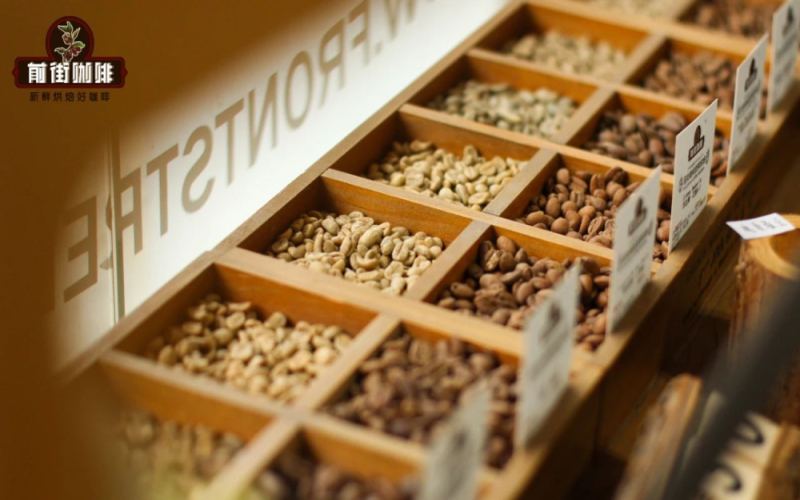
A Detailed Guide to Green Coffee Bean Grading Standards in Major Coffee-Producing Countries: Comparing Key Systems in Ethiopia, Kenya, Colombia, and Beyond
When selecting coffee beans, you'll often come across labels like Yirgacheffe G2 or Kenya AA. Behind these letters and numbers lies the logic each producing country uses to assess green bean quality. Due to differences in history, trade, climate, and terrain, grading criteria vary widely from country to country—some focus on defect rates, some measure bean size, and others test altitude or hardness—and they cannot be directly compared across origins. Front Street Coffee has compiled the grading systems of representative producing countries including Ethiopia, Kenya, Colombia, Jamaica, Costa Rica, Panama, Guatemala, El Salvador, Honduras, and Brazil to help you understand the ins and outs behind green bean grades. [more…]
A Complete Guide to Tanzanian Kilimanjaro Coffee: Regional Features, Brewing Methods, and Specialty Coffee Preparation
The Tanzanian coffee-producing region at the foot of Mount Kilimanjaro, with its mineral-rich volcanic soil and coffee trees over a century old, produces coffee beans of outstanding quality. Starting from the region's background and cultivation management, this article systematically reviews the characteristics and suitable equipment of mainstream brewing methods such as drip, filtration, and pressure-based brewing, and provides an in-depth explanation of the four key points of coffee bean blending, including bean selection, removing defective beans, understanding bean variety characteristics, and differences in roast levels. Finally, using Japanese-style cappuccino as an example, it walks you through the process of making a fancy coffee step by step, making it suitable reading for enthusiasts who want a comprehensive understanding of Kilimanjaro coffee. [more…]
How to Choose a Commercial Coffee Bean Brand? Industrial, Commercial, and Specialty Coffee Grading Standards and Front Street Commercial Bean Recommendation Guide
Faced with the dazzling array of coffee beans on the market, many café operators and coffee enthusiasts are puzzled: which brand of commercial coffee beans is actually good? What kind of beans are truly suitable for commercial use? To answer these questions, we first need to clarify the basic definitions and usage differences among the three major categories: industrial coffee, commercial coffee, and specialty coffee. This article will systematically sort out the criteria for distinguishing these three types of coffee, delve into the evaluation system of specialty coffee in terms of growing altitude, screen size specifications, and the proportion of defective beans, and further introduce the traceability mechanism and terroir characteristics of estate coffee. Finally, combined with Front Street Coffee's commercial product line, it provides readers with a reference for choosing commercial coffee beans that offer both quality and value for money. [more…]
Yirgacheffe Sub-Regions and the Ethiopian Coffee Grading System: A Full Breakdown of Natural Processing and the Red Cherry Project
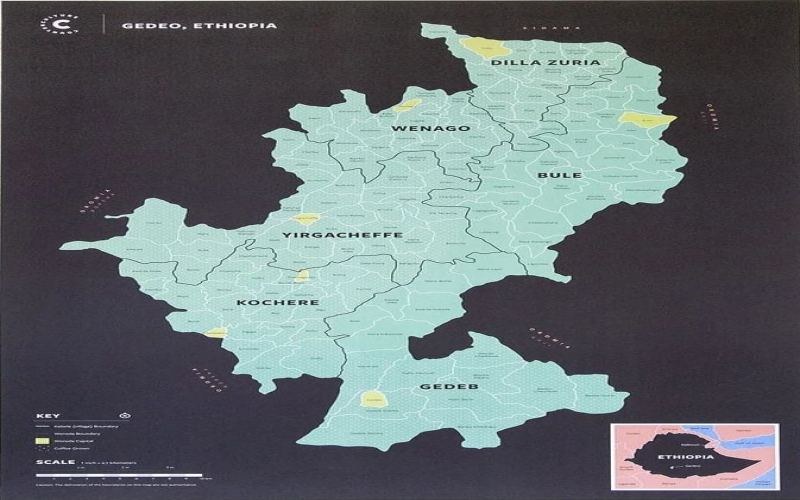
Yirgacheffe, as a representative of Ethiopian specialty coffee, has always attracted much attention for its producing area division, grading system, and processing methods. With the establishment of the ECX commodity exchange, Yirgacheffe was subdivided into four small districts, and Ethiopian coffee was also divided into three types—specialty, commercial, and local—based on physical attributes and cup flavor. The rise of natural processing has allowed Yirgacheffe to display rich berry sweetness, and the Red Cherry Project has further improved coffee quality from the source. Front Street Coffee takes Yirgacheffe Natural Red Cherry as an example, sharing roasting analysis and V60 brewing suggestions to give you a comprehensive understanding of this uniquely characterful coffee. [more…]
Jamaica Blue Mountain Coffee Origin Grading System and Authenticity Guide: From Historical Origins to Front Street Blue Mountain No. 1 Brewing
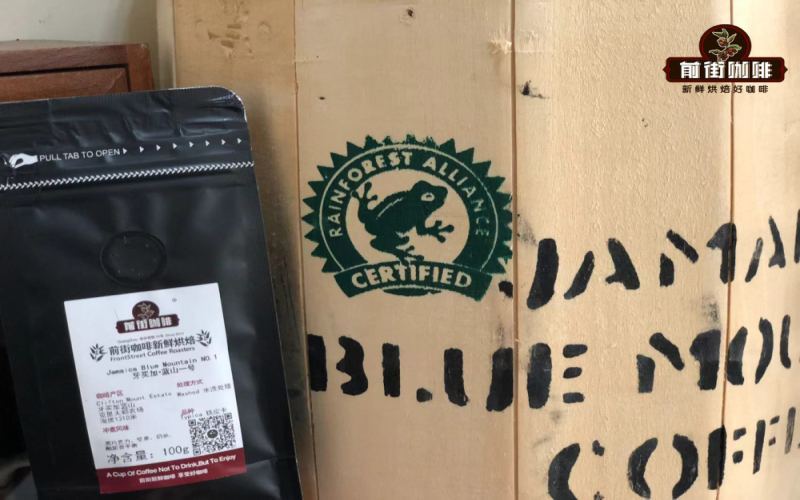
Blue Mountain coffee is probably the most famous—and most easily counterfeited—name in the coffee world. Products labeled "Blue Mountain flavor" are everywhere on the market, yet they are far removed from genuine Jamaican Blue Mountain coffee. This article takes you back to Jamaica's Blue Mountains, tracing the history of Blue Mountain coffee from its cultivation in the early 18th century to its rise to international fame in 1953, decoding the altitude grading, cultivation practices, and quality-control standards set by the CIB (Jamaica Coffee Industry Board), explaining how Japanese capital long dominated the Blue Mountain coffee trade, and offering practical ways to identify authentic Blue Mountain No. 1 coffee beans—from the characteristics of the Typica variety and barrel export specifications to the three types of official certificates. Finally, it introduces the washed Blue Mountain No. 1 from Clifton Estate, long supplied by Front Street Coffee, complete with full pour-over parameters and flavor descriptions, so that you have solid references whether buying or brewing. [more…]
Ethiopian Coffee Flavor Guide: A Comprehensive Analysis of the Taste Characteristics of Specialty Regions Such as Yirgacheffe and Sidamo
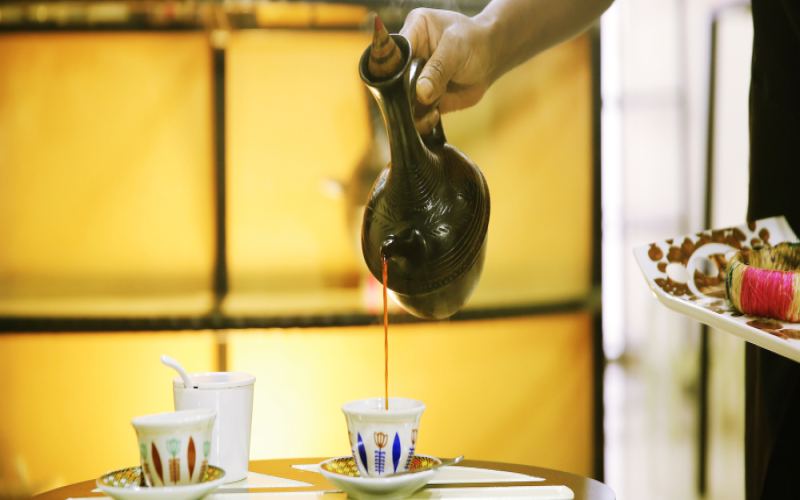
As the birthplace of coffee, Ethiopia occupies an irreplaceable position in the global specialty coffee landscape with its bold floral aromas and multi-layered fruit notes. From the legend of the shepherd Kaldi to today's refined division into nine major producing regions, coffee from this East African highland has always carried a mysterious and alluring character. This article will systematically review Ethiopia's coffee cultivation models, the distribution of its main producing regions, and the flavor characteristics of each region, with a focus on introducing the unique taste profiles of Yirgacheffe and Sidamo, while also sharing Front Street Coffee's practical experience in bean selection and brewing, to help coffee enthusiasts gain a more comprehensive understanding of this African coffee kingdom. [more…]
A Complete Guide to Authenticating Jamaican Blue Mountain Coffee, Its Grading System, and Brewing Flavor Analysis
Blue Mountain coffee is hailed as the pinnacle of coffee, yet the market is flooded with both genuine and counterfeit beans, leaving many enthusiasts confused. This article begins with the certification system of the Jamaica Coffee Industry Board (CIB) and systematically outlines the legal growing region, authorized purchasing channels, grading standards, and historical quota story of Blue Mountain coffee, while also introducing the characteristics of its Typica variety. The article also shares in detail the brewing parameters and flavor performance of Front Street Jamaican Blue Mountain coffee, including dry aroma, wet aroma, mouthfeel layers, and specific recommendations for different extraction methods such as pour-over, French press, and AeroPress, helping readers gain a comprehensive understanding of the identification points and tasting methods for this legendary coffee. [more…]